


One of the most common causes of chronic back pain is vertebral disc degeneration. The medical term for this is “spondylosis” and it refers to any type of degeneration in the spine. In most cases, spondylosis is used to describe osteoarthritis of the spine, but it can be used to describe any manner of spinal degeneration including that which is found in the discs.
What This Means for You — Understanding why and how disc degeneration can occur is important for its prevention and it will inform any treatment from a spine specialist when it causes back pain.
Constant, unrelenting back pain can affect every aspect of life. It can cause loss of sleep, income and impact on other family members. In many cases, this pain can be reduced or eliminated with proper treatment. The spine experts at Texas Back Institute are world-class and are available to help you get your life back. Click here to set an appointment.
The Vertebral Disc – A Small but Critical Component of the Spine
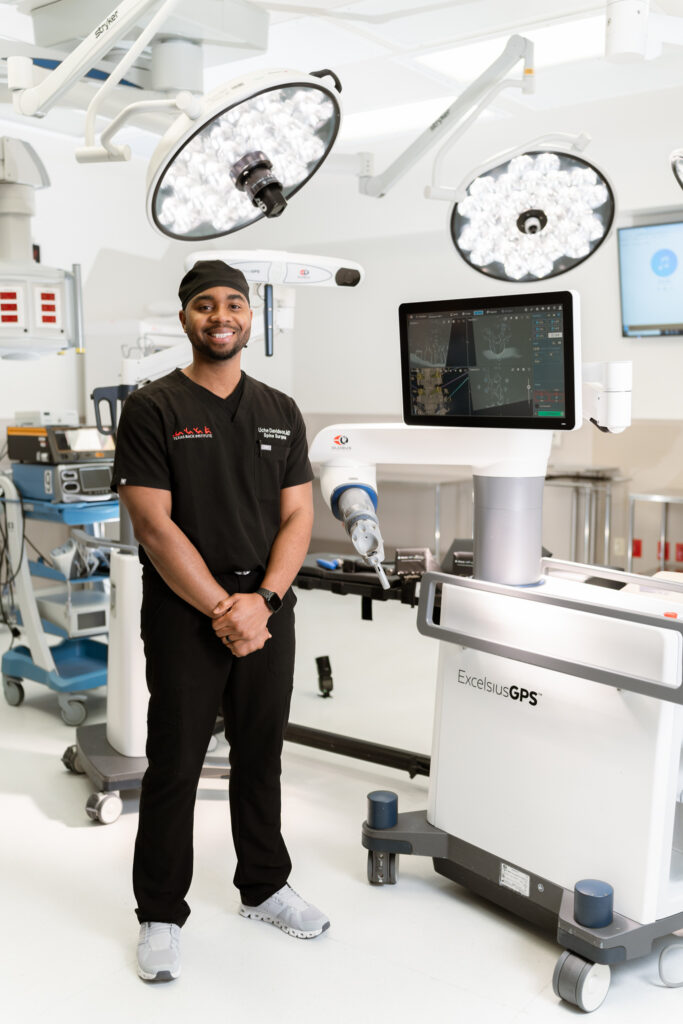
Texas Back Institute surgeon, Dr. Uche Davidson offers a layman’s explanation for this small, but critical spinal component. “A vertebral disc is like a soft cushion between the bones of your spine,” he said. “Imagine your spine as a stack of blocks (vertebrae), and the discs as jelly-filled pads that help keep those blocks from rubbing against each other.
“These cushions act as ‘shock absorbers,’ allowing your spine to handle movements like bending, twisting, and jumping. They also maintain proper spacing between the bones and protect the nerves running through your spine.”
What might cause these discs to degenerate or destabilize?
Dr. Davidson notes several reasons a disc might become damaged and prevent them from protecting the spine. These include:
- Getting Older: As we age, the discs in our spine dry out and lose flexibility, making them more likely to wear down.
- Injuries: Accidents, like falling or a sudden impact, can harm a disc or knock it out of place.
- Repeated Strain: Doing the same movements over and over, lifting heavy objects, or having bad posture can put too much stress on the discs.
- Extra Body Weight: Being overweight puts more pressure on the spine, which can wear down the discs faster.
- Smoking: Nicotine, found in cigarette smoke, can reduce blood flow to the discs, making it harder for them to stay healthy and repair themselves.
- Family Traits: Some people inherit a higher risk of disc problems from their parents.
- Lack of Hydration and Nutrition: Discs need enough water and nutrients to stay strong and do their job.
Dealing with Age-Related Damage to Discs

“Age-related wear and tear on your discs happen naturally,” Dr. Davidson notes, “However, there are things you can do to slow it down and protect your spine.
“We advise our patients to stay active. Getting consistent low-impact exercise such as walking, swimming, or yoga, keeps your back strong and flexible. This exercise helps a person maintain a healthy weight and can reduce the strain, wear and tear on your discs. Good posture is also an excellent way to help reduce age-related disc damage. Sitting and standing up straight can take extra pressure off your spine.
“Many patients experience damage to discs due to improper lifting. Even common activities such as yardwork can cause damage. It’s important to lift carefully. This involves bending your knees and using your legs, not your back, to lift heavy things. It is also important to avoid twisting while lifting.”
Diseases That Can Cause Disc Degeneration
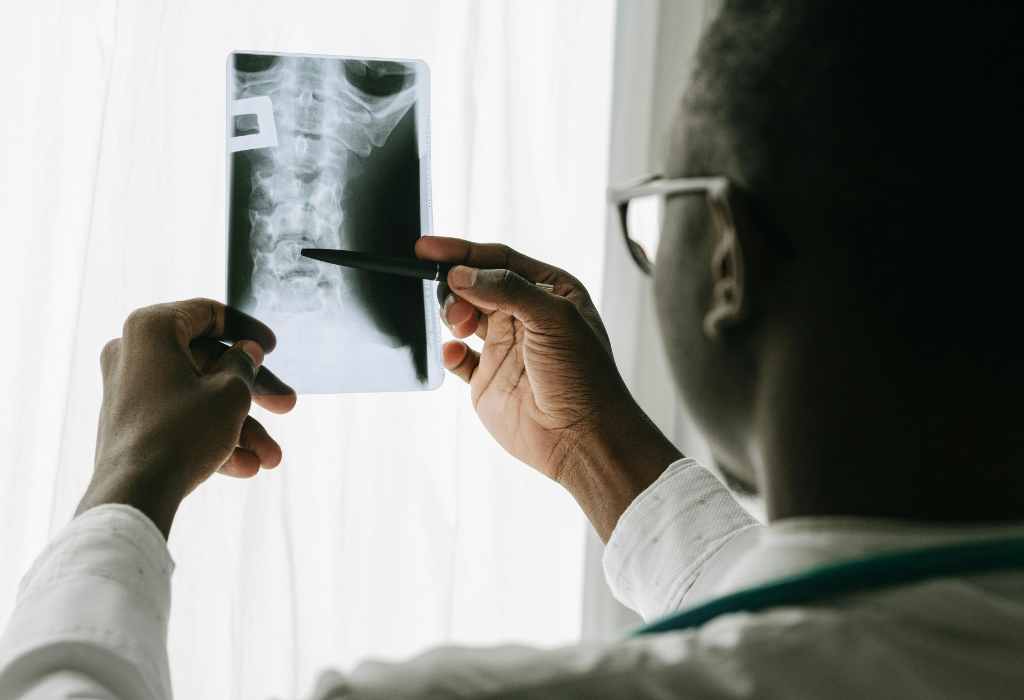
The physicians at Texas Back Institute are experts in diagnosing and treating disc diseases. Dr. Davidson points to several diseases and conditions that can cause or accelerate disc degeneration. These include:
Degenerative Disc Disease
“Despite the name, this isn’t really a disease but a natural aging process where the discs lose their cushioning ability,” he said. “It can happen faster in some people due to genetics or lifestyle factors.”
Osteoarthritis
“This condition causes the cartilage around the spine’s joints to break down, which can lead to more pressure and wear on the discs.”
Herniated Disc
“While not a disease itself, a herniated disc can result from or lead to faster disc degeneration over time,” he said.
Spondylosis
“This is a general term for age-related changes in the spine, including disc degeneration, which may be worsened by arthritis.”
Autoimmune Diseases
“Conditions such as rheumatoid arthritis can cause inflammation in the spine, leading to damage and breakdown of the discs.”
Infections
“While they are rare, infections like discitis can directly damage spinal discs,” Dr. Davidson said.
Osteoporosis
“This condition causes weak and brittle bones that can cause the spine to compress, putting extra stress on the discs and speeding up degeneration.”
Diabetes
“Poor blood sugar control can reduce blood flow to the discs, making them more prone to damage and slower to heal.
Chronic Inflammatory Conditions
“Diseases like ankylosing spondylitis or lupus can cause long-term inflammation that damages the spine and its discs.”
Innovations in medical science for diagnosis and treatment have dramatically improved patient care and have led to better outcomes for these disc-related diseases.
If you would like to learn more about disc degeneration, including why pain occurs and how this is treated, stay tuned for Part Two of this interview with Dr. Davidson.
If chronic back pain is impacting your lifestyle, the world class surgeons at Texas Back Institute can help you overcome this misery. Just click here for state-of-the-art treatment and compassionate patient care.