

Since the beginning of civilization, men and women have participated in a (mostly) friendly competition. The “categories” of these battles of the sexes have run the gamut from: who’s smarter, to who’s funnier, to who’s a better parent, and the list goes on!
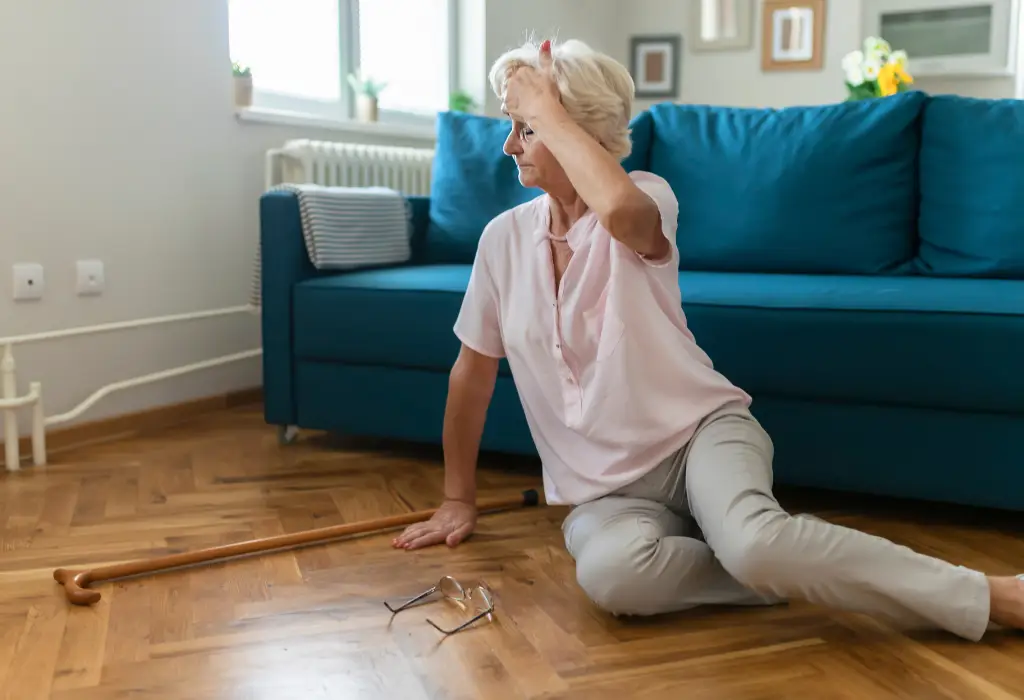
There is, however, one category where women are at a distinct disadvantage over men, and it is potentially a dangerous one: Falling. Falls are the leading cause of injuries and accidental deaths among American adults 65 and older, but women fall more often than men indoors.
Here’s how women can reduce the risk of falling.
An Expert Looks at Why Falling Affects Women More Than Men

Dr. Sheena Bhuva, a physiatrist at Texas Back Institute, has observed and treated hundreds of women who have accidentally fallen.
“I’ve seen a great many fractures after falls in older women,” she said. “It’s not just hips, but wrists, shoulders, spine fractures are common as well. The Center for Disease Control (CDC) reports that 29% of women over the age of 65 have experienced at least one fall in the past year. That’s nearly 1 in 3 women. This rate is about 3% higher than men.
“What is even more striking, is that unintentional falls are the leading cause of injury and injury-related deaths in adults 65 and older. Falls cause more injuries in this age group than car accidents.
“Think about that for a minute. We are very proactive about preventing motor vehicle injuries. We put children in car seats. We avoid speeding. We wear seat belts. We actively reduce risk. We need to approach fall prevention and bone health with that same mindset…intentional and lifelong.”
Why Women Are More Vulnerable to Falls Than Men
According to a 2024 article published by the Harvard Medical School, “Regardless of sex, balance tends to become more tenuous with age due to factors such as greater medication use, mounting vision and inner-ear problems, weaker muscles, and health conditions that can lead to numbness in the feet, such as diabetic neuropathy.
But women are particularly vulnerable. Why?
“Their bones are weaker. Bone-thinning osteoporosis is linked to poorer physical performance and worse balance compared to women with normal bone density.
“Their muscle mass is lower. This relative lack of strength can make it harder to avoid falling if we get off-balance. ‘The loss of estrogen due to menopause really does a number on bones and muscles to make them more fragile,’ noted Dr. Salamon clinical chief of gerontology at Harvard-affiliated Beth Israel Deaconess Medical Center.
“Women deal with incontinence more often. Rushing to the bathroom can make a fall more likely, Dr. Salamon says, and some women slip on urine they’ve leaked onto the bathroom floor before they get to the toilet.
“Women take more antidepressants. Twice as many women as men take depression-fighting medications, whose side effects can make you dizzy and less alert-both of which increase your fall risk.
“They have a penchant for multitasking. Efficiency is great until you tip over because you bend to pick up one more thing while carrying a teetering pile of laundry.”
An Ounce of Prevention Versus. a Pound of Cure
Dr. Bhuva adds, “We have to build strong bones early. Fractures don’t just happen because someone falls. They happen because someone falls and their bones are fragile. So, prevention starts decades earlier.
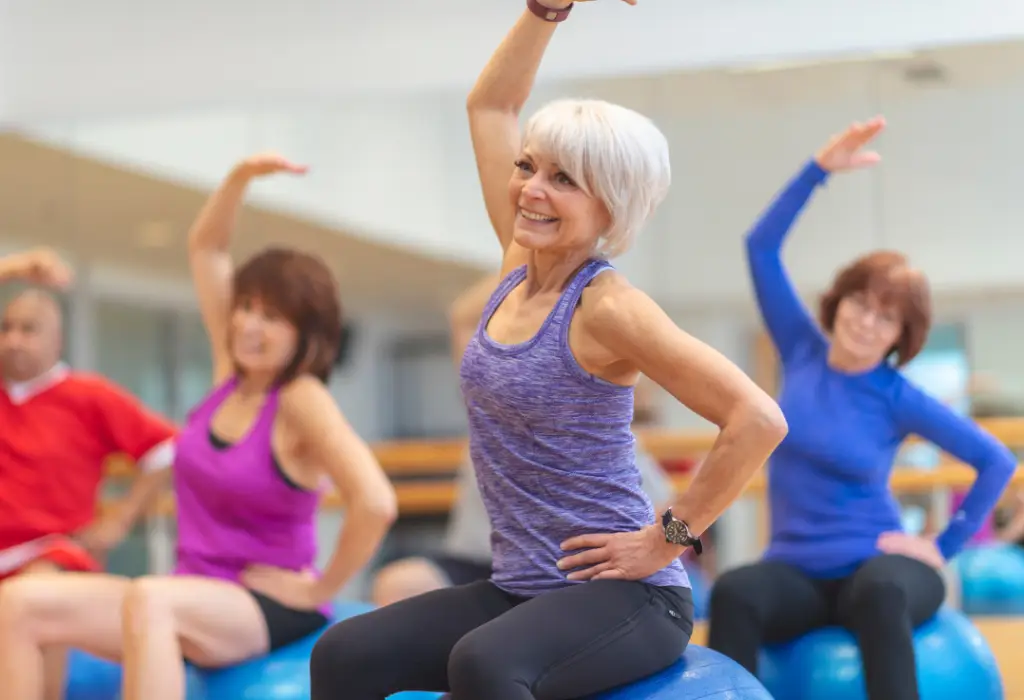
“Peak bone mass is achieved in our 20s and early 30s. Weight-bearing exercise is so important for this. You don’t have to be a runner, even walking counts. But what is most critical is resistance and strength training. It’s one of the greatest tools we have, and yet many women are never encouraged to lift weights.
“Falls are often related to weakness, poor balance, and decreased reaction time. Weight and strength training places healthy stress on bones and muscles, which in turn stimulates bone formation and increases muscle mass. It also improves coordination and stability. Building muscle is not just about aesthetics, of course we all love a toned arm, but it’s about protecting your independence years later.”
Falls don’t just happen on ladders and stairs. They can also occur during something as “safe” as gardening. Click here for Dr. Bhuva’s take on avoiding injuries when gardening.
Start Building Strength and Balance NOW
“It’s never too late to start. Even starting in midlife or later has shown measurable benefits. So, get out there and don’t be afraid to lift some weights…it can literally save your life!”
Medically Reviewed By

Board-Certified Physiatrist
Specialty: Physiatrist – Physical Medicine and Rehabilitation
Texas Back Institute | Frisco & Plano, TX
Last Reviewed: June 2026
This content is intended for educational purposes only and does not constitute individualized medical advice. Consult a qualified healthcare provider for diagnosis and treatment.