


For the spine specialists at Texas Back Institute, years of study and rigorous training occur before their first patient is examined or treated. The journey from undergraduate studies to medical school to fellowship training and extensive, hands-on training by seasoned surgical colleagues ensure that these future spine surgeons are world class practitioners.
In addition to becoming proficient in diagnosis and current best practices of spine surgery, these highly skilled physicians are given state-of-the-art surgical tools such as imaging tools, surgical robotics, 3-D printing and even motion-preserving implants such as artificial discs.
Years of education and training, skills development and mastering surgical technology have one objective: Healing patients and allowing them to return to their day-to-day life as quickly and efficiently as possible. There are four strategies that the spine specialists at Texas Back employ to ensure success with this objective. They are discussed below.
Whatever the cause, conditions such as scoliosis, back pain and immobility are the daily challenges met by spine specialists at Texas Back Institute. To set an appointment with one of these highly skilled and compassionate physicians, click here.
Four Strategies for Quicker Recovery
Better Diagnosis = Better Outcomes
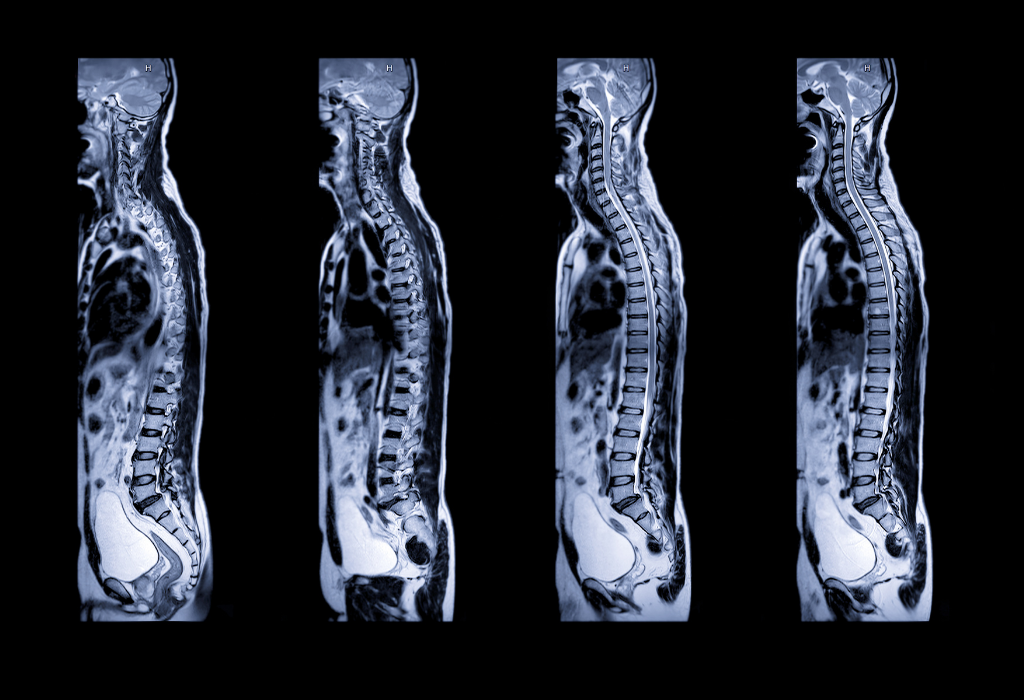
What happens BEFORE surgery occurs can have a huge impact on the success of the procedure and the patient’s recovery. So, how can better, more accurate diagnostic information, especially with state-of-the-art imaging, lead to quicker recovery time from back surgery?
“Contemporary imaging technology such as EOS full-length spine imaging with reduced radiation and software for measuring spinal parameters and preoperative planning have dramatically changed the way spine surgery is completed,” Dr. Ivan Cheng of Texas Back Institute said. “For example, EOS imaging provides a quick view of anatomy from head-to-toe with less radiation than traditional x-rays, and new software provides the capability to provide instantaneous measures of alignment. It can even provide surgical planning information to estimate the effects of different surgical approaches.
“With today’s technology, we have the ability to be more precise in our surgical plan, and this helps us to limit tissue and muscle disruption.”
Minimally Invasive Surgery: A Key to Quicker Recovery
According to Dr. Cheng, “The goal at Texas Back Institute is to do the least invasive procedure to achieve the best outcomes for each patient. This is why we use minimally invasive surgery techniques when appropriate, avoiding large incisions and the potential for muscle and tissue damage.
“With this approach, outcomes dramatically improve. During surgery, a combination of minimizing soft tissue disruption as well as local anesthetic blocks can significantly improve postoperative pain and reduce recovery time.”
Better Post-Operative Care Can Speed Recovery Time

After surgery, patients need a well-designed plan for quicker recovery.
“Post-operative care is extremely important,” Dr. Cheng notes. “There are several ‘tried and true’ strategies for accomplishing this.
“Patients should be comfortable after surgery and understand their post-op plan. They should be up and moving (in most situations, walking), keep a healthy diet, have multimodal pain management, and get the sleep they need. Over reliance on pain medications can be detrimental to a patient’s recovery, and for those chronically on narcotis, reducing intake prior to surgery can be significantly beneficial for postoperative pain management. Together with other pain modifying medications such as injectable blocks, neuromodulating agents, and anti-inflammatory interventions, a multimodal approach can help the patient feel better faster, heal quicker and have overall better emotional health as it relates to their recovery.”
Lifestyle Modifications Are Critical to Quicker Recovery

Bad habits can slow down recovery time for spine surgery patients. Dr. Cheng offers some advice on this topic.
“One of the big lifestyle factors that will help patients heal better is smoking cessation,” he said. “Smoking can impair blood flow, delay bone healing, and increase the risk of infection. Losing weight can also help patients who are obese to heal faster. Obesity is associated with delayed recovery and surgical site infection.
“Other important factors influencing surgery outcomes include treatment of osteoporosis and strict control of blood sugar in those with diabetes. After surgery, patients need to allow their bodies to rest and follow the general guidelines for healing which include no bending, lifting or twisting,” he concluded.
Reducing Recovery Time Begins with a Brilliant Surgeon
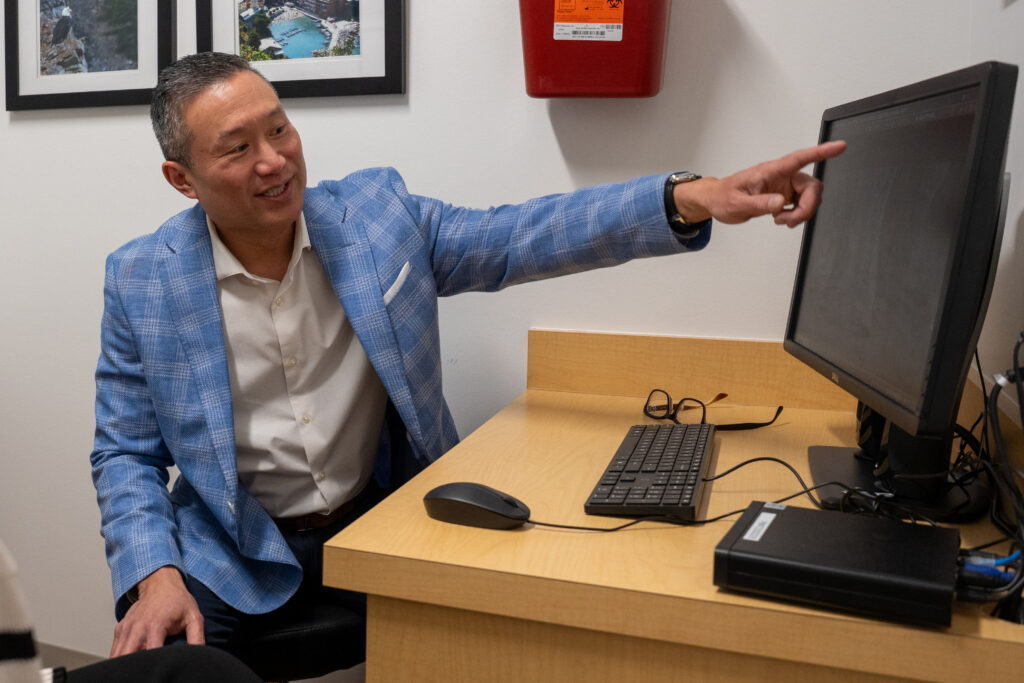
Ivan Cheng, M.D. is an Orthopedic Spine Surgeon at the Texas Back Institute. Dr. Cheng earned his Bachelor of Arts in Neurobiology from the University of California, Berkeley, graduating with Highest Distinction in General Scholarship and Phi Beta Kappa honors. He went on to obtain his Doctorate of Medicine from Harvard Medical School, where he graduated cum laude. Dr. Cheng completed his internship in General Surgery and residency in Orthopedic Surgery at U.C. Davis Medical Center, followed by a fellowship in Spine Surgery at Washington University in St. Louis.
Dr. Cheng specializes in scoliosis, complex spinal deformities, minimally invasive spine surgery, and complex revisions. He is an expert in diagnosis and treatment that allows patients experiencing spinal conditions to quickly recover and return to an active, fulfilling life.
If back pain is ruining your quality of life, spine specialists like Dr. Ivan Cheng can change this equation. To set an appointment with him or other Texas Back physicians, just click here.