

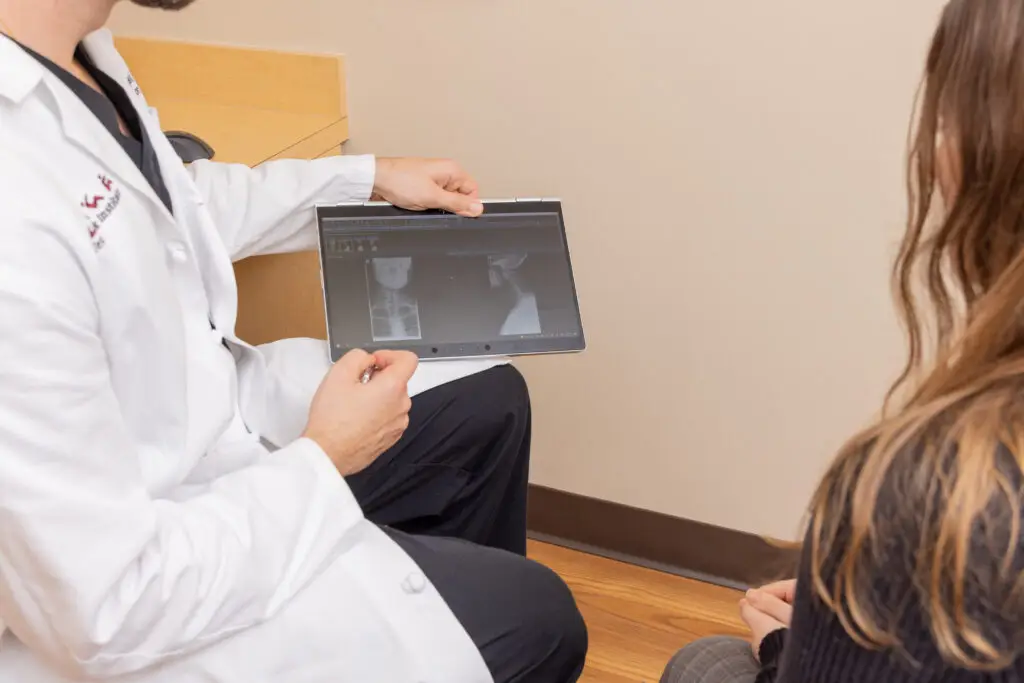
In this post, we continue the conversation with Texas Back Institute spine surgeon, Dr. Uche Davidson about degenerative spondylosis. You may also find the first article in this two-part series of interest. If so, just click here for Part One.
Why Disc Damage Causes Back Pain
According to Dr. Davidson, “Back pain from a degenerating disc occurs because the disc loses its ability to cushion the spine. There are several reasons this can lead to pain.
“With this condition, there is less cushioning: As the disc wears down, it can’t absorb shocks as well. This causes the bones in your spine to press on each other, causing pain. Inflammation can also occur. This happens when a damaged disc releases chemicals that irritate nearby nerves, leading to pain and swelling.
“Pinched nerves can accompany this condition. When a disc shrinks or slips out of place, it can press on, or ‘pinch’ nearby nerves, causing pain that might spread to other areas such as legs or arms.
“Finally, when a disc isn’t ‘doing its job,’ muscle strain can occur. The muscles around the spine must work harder to support the back, which can lead to muscle pain or tightness.”
Conservative Treatment of Damaged Discs
Conservative (non-surgical) treatment for constricted nerves is the first option employed by the physicians at Texas Back Institute.
“Conservative treatments help alleviate nerve-related back pain by reducing pressure and irritation on the nerves,” Dr. Davidson said.
Here are non-surgical treatment options and how they work:
Physical Therapy
Strengthening and stretching exercises improve posture, increase flexibility, and relieve pressure on the nerves by creating more space for them.
Medications
Anti-inflammatory drugs reduce swelling around the nerve, easing pain and irritation.
Heat and Ice
Heat relaxes muscles and improves blood flow, while ice reduces swelling and numbs the area, both of which can relieve nerve pressure.
Chiropractic Care
Gentle spinal adjustments can help realign the spine, reducing pressure on the affected nerve.
Lifestyle Changes
Activities like walking, swimming, or yoga can improve overall spine health and reduce nerve irritation over time.
Epidural Injections
For more severe cases, a doctor may inject steroids near the nerve to reduce inflammation and pain.
These treatments focus on reducing the stress around the nerve, improving the space it has, and managing inflammation to relieve discomfort.
If Surgery is Required
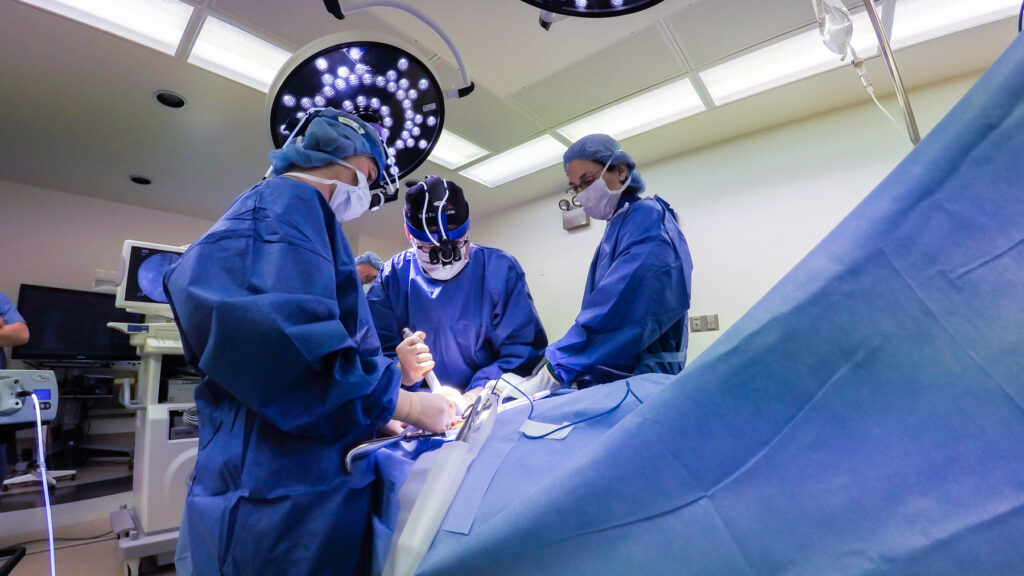
“Surgery is the last resort we use at Texas Back,” Dr. Davidson said. “It is reserved for a select group of patients who haven’t found relief with conservative treatments like physical therapy, medication, or injections. When surgery is necessary, it helps by directly addressing the cause of nerve compression. In many cases, this procedure can be minimally invasive surgery, which involves less tissue damage and quicker recovery time.
“One surgical treatment involves removing the problem area. This is called a discectomy. The damaged part of the disc which is pressing on the nerve is removed, which relieves pain and restores function.
“A laminectomy can be used to create space. By removing part of the bone or tissue around the nerve, the surgeon creates more room for the nerve, reducing compression.
“In some cases, the damaged disc is replaced with an artificial disc. This allows a patient to maintain spine flexibility and function. If the disc is too damaged to support the spine, two or more vertebrae are fused together to provide stability and prevent further issues. This procedure is called a spinal fusion.”
Four Red Flags: Symptoms of Disc Damage
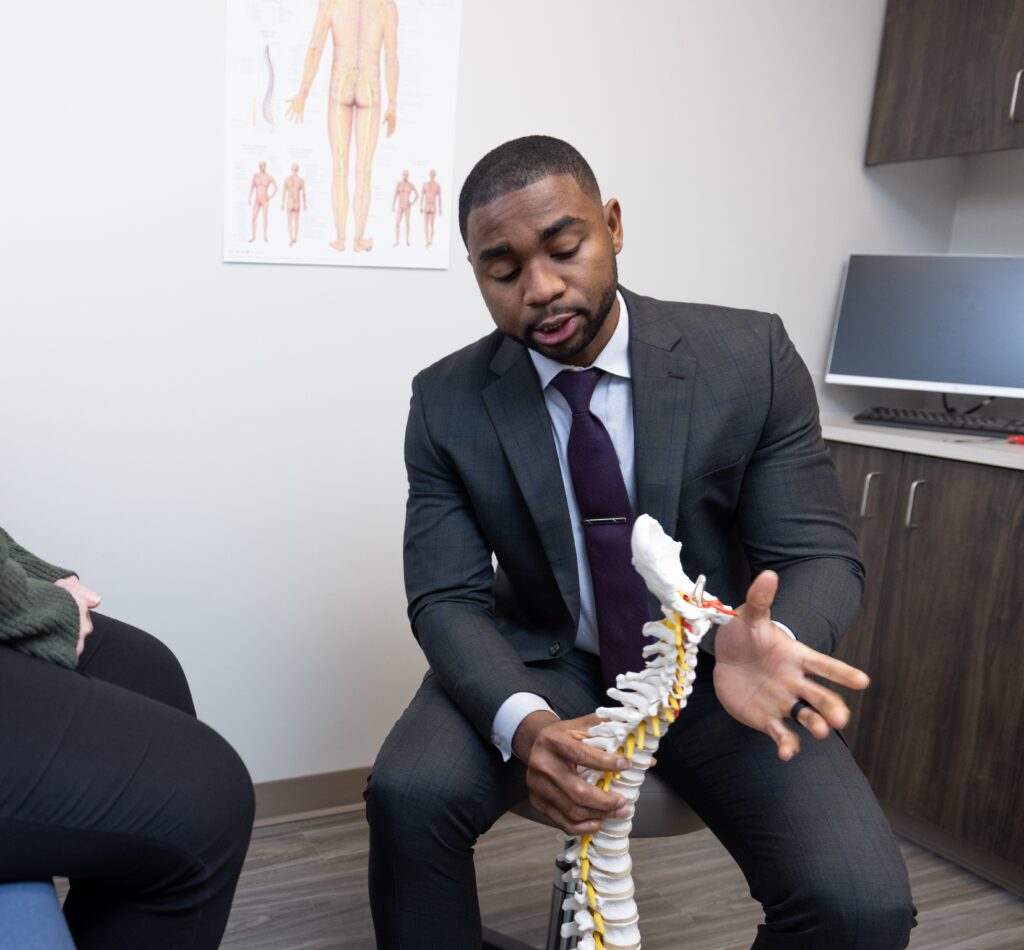
Patients often ask the experts at Texas Back about the “red flag” symptoms of disc deterioration. In other words, when is it time to set an appointment with a spine specialist?
Dr. Davidson explains these symptoms.
Severe or Persistent Pain: If back or neck pain is intense, doesn’t improve with rest, or lasts for several weeks, it may signal an underlying problem that needs evaluation by a spine specialist.
Weakness or Numbness: If you experience weakness, numbness, or tingling in your arms, legs, or other areas, it could mean a nerve is being compressed and treatment is required.
Loss of Bladder or Bowel Control: Difficulty controlling your bladder or bowels, especially if it starts suddenly, is a medical emergency and could indicate a serious condition like cauda equina syndrome that needs urgent medical attention.
Pain That Radiates: Pain that travels from your back to your legs (sciatica) or from your neck to your arms could be a sign of a herniated disc or nerve compression.
If you notice these symptoms, here are steps you can take before seeing a spine specialist:
Track Your Symptoms: Write down when the pain or symptoms started, what makes them better or worse, and whether they’ve changed over time. This information will help the specialist understand your condition.
Try Conservative Measures: Use over-the-counter pain relievers, apply heat or ice to the affected area, and avoid activities that worsen your pain. Gentle stretches or rest may also help.
Note Any Related Issues: Keep track of other symptoms, like fever, weight loss, or trouble walking, as these can provide important clues about the cause of your pain.
Review Your Medical History: Gather information about past injuries, treatments, or spine-related issues. If you’ve had imaging tests (like X-rays or MRIs), bring those records with you.
List Questions or Concerns: Prepare a list of questions to ask the specialist about your symptoms, possible treatments, and what to expect moving forward.
Avoid Straining the Area: Try not to lift heavy objects, engage in high-impact activities, or do anything that might worsen the problem.
“These actions can help you manage symptoms temporarily and ensure a productive visit with the spine specialist,” Dr. Davidson said. “However, if symptoms are severe or include loss of bladder/bowel control, medical attention should be sought immediately.”
Overcoming Back Pain from Degenerated Discs

In closing, Dr. Davidson notes, “Caring for your spine is essential to maintaining a healthy, active lifestyle. While degenerative disc issues can be challenging, understanding the causes, symptoms, and treatments empowers you to take control of your spine health. By staying active, practicing good posture, maintaining a healthy weight, and seeking care when needed, you can protect your spine and reduce the risk of future problems.
“With today’s advanced treatments and a proactive approach, most people can find relief and enjoy a full, pain-free life. We are here to guide you every step of the way toward better health and comfort!”
If you are having back pain and the symptoms suggest it may be due to disc damage, click here for an appointment with a spine specialist like Dr. Uche Davidson.