

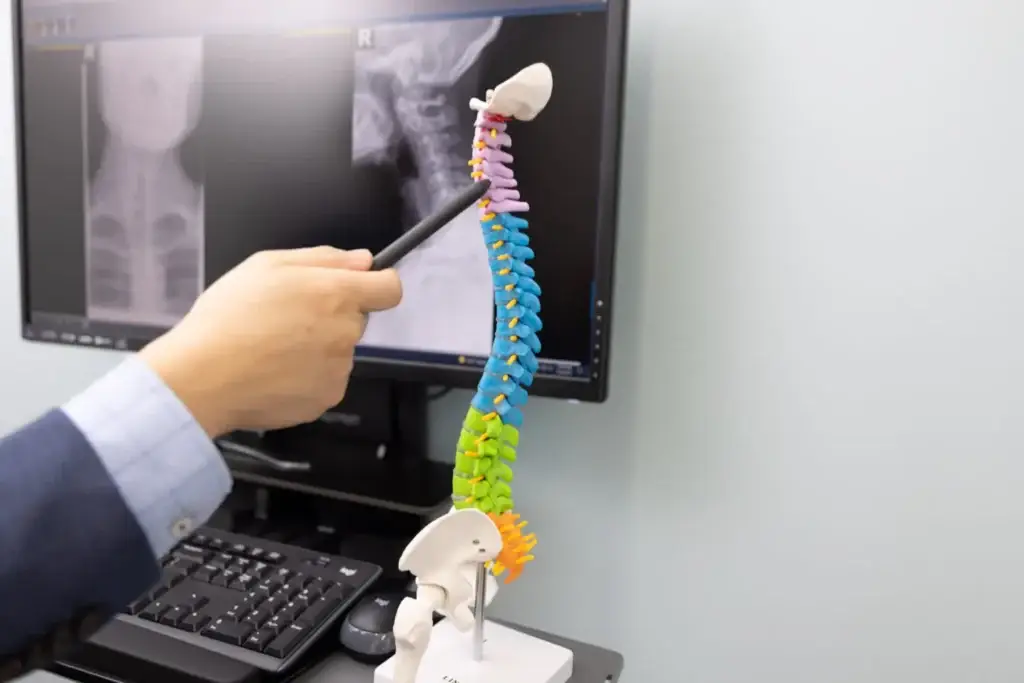
The evolution of the human body has produced an array of biological structures that have caused physicians, engineers, and even artists to marvel at its functional intricacy. This is especially true with the human spine.
As the PBS Documentary, “Walking Tall” noted, about three million years ago the evolution of the spine successfully transformed a horizontal, flexible suspension system of early human ancestors into a vertical weight-bearing column that allows for energy-efficient upright walking.
In many ways, it has been the small, but critical joints that have enabled this miraculous human mobility evolution to proceed. Two of the most interesting of these are the facet joints sacroiliac joints, commonly called the SI joints. When injuries or wear and tear cause damage or deterioration, these two joints can lead to chronic pain.
Is chronic back pain impinging on your quality of life? The spine experts at Texas Back Institute can help. Click here to schedule an appointment.
What Are Facet and SI Joints?

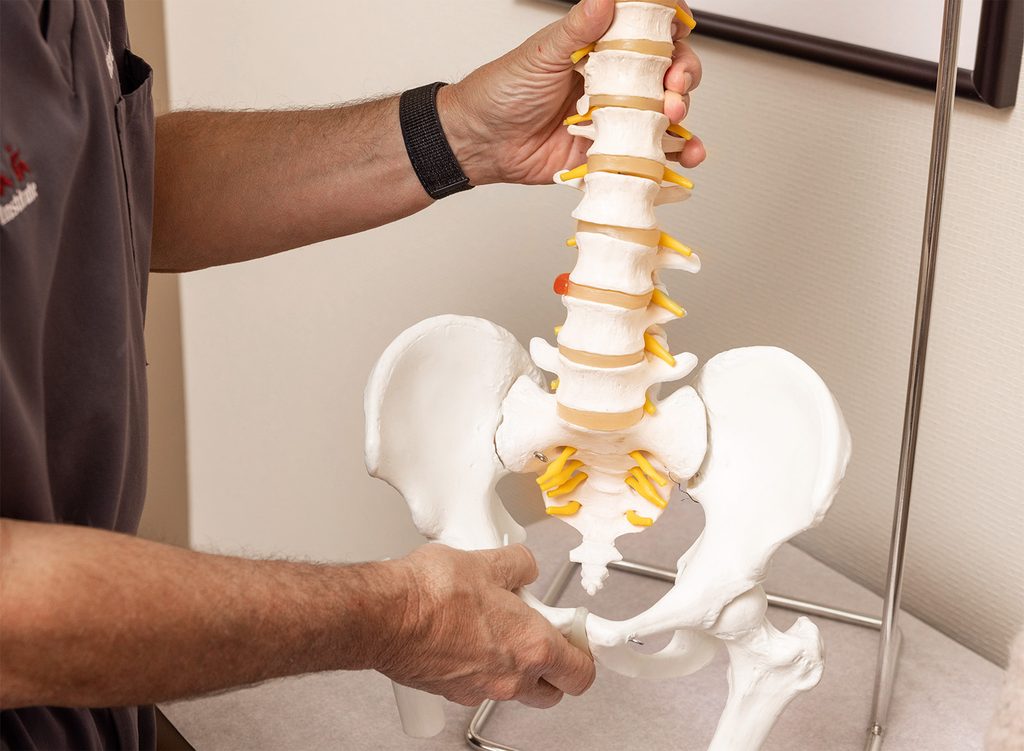
According to Dr. Craig Lankford, a Physiatrist at Texas Back Institute, “Facet joints are small joints located along the back of the spine. There is a pair at each level of the spine. Like the joints in a knee or finger, facet joints allow movement while also providing stability. They help guide movements such as bending, twisting and extending the neck and back.
“Over time, facet joints can develop arthritis, inflammation or other degenerative changes. When this occurs, the facet joints may become a source of neck or back pain.
The sacroiliac joints, which are usually called the SI joints, are located lower in the body. There is one on each side where the sacrum—the triangular bone at the bottom of the spine—meets the pelvis.
“These joints help transfer forces between the spine and the legs and provide stability when standing, walking and performing other activities.
“SI joints can also become painful because of arthritis, injury, abnormal movement or other conditions.”
Diagnosing Facet or SI Joint Pain
The spine experts at TBI use diagnostic nerve blocks such as Medial Branch Nerve Block to diagnose pain from facet joints. Medial branch nerves are the small nerves that carry pain signals to the brain from the facet joint in the spine. The medial branch nerve block is an injection that temporarily stops the nerve’s ability to carry pain signals to the brain, which in turn will determine if the facet joints are the source of pain.
With SI joint pain, diagnosis involves physical examination, X-rays, MRI scans, and anesthetic injections into the SI joint as a diagnostic evaluation. If the pain decreases significantly after the injection, this helps to verify the SI joint as a source of pain. Injections may provide temporary pain relief, or the pain may remain reduced for an extended period. However, if the pain persists after conservative care treatment, a rhizotomy procedure may be necessary.

Rhizotomy: An Innovative Treatment for this Pain
After examination and conservative treatment, if a patient is still experiencing this pain, the spine specialists at Texas Back can prescribe a procedure called a rhizotomy.
Dr. Lankford explains. “A rhizotomy, often called radiofrequency ablation (RFA) or radiofrequency neurotomy, is a minimally invasive procedure used to reduce certain types of chronic neck or back pain. It works by treating the small sensory nerves that carry pain signals from painful joints to the brain.
“During the procedure, radiofrequency energy is used to heat a very small area of the targeted nerve. This interrupts the nerve’s ability to transmit pain signals. The procedure does not remove the joint or change the basic structure of the spine.
“The goal is to provide longer-lasting pain relief for patients who have already shown that their pain is coming from a particular joint.”
The Procedure
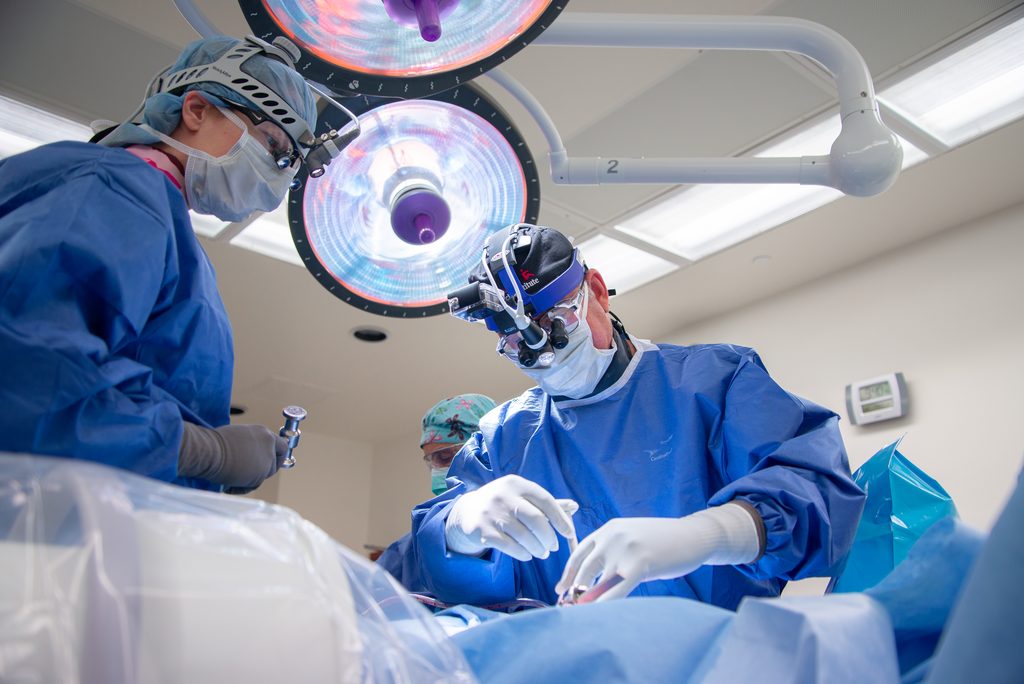
“A rhizotomy is typically an outpatient procedure, meaning the patient can go home the same day,” Dr. Lankford notes.
“The patient lies on a procedure table, and the skin is cleaned and numbed with a local anesthetic. Using X-ray guidance, the physician carefully places specialized needles next to the small nerves that transmit pain signals from the painful joint.
“Before treating the nerve, the physician may perform testing to confirm that the needle is appropriately positioned. Radiofrequency energy is then delivered through the needle, creating controlled heat at the tip of the needle. This produces a small lesion in the targeted nerve and reduces its ability to transmit pain signals.
“The procedure generally does not require an incision or stitches.”
Recovery Time for a Rhizotomy
According to Dr. Lankford, “Recovery is generally quick. Most patients go home shortly after the procedure and can resume light activities relatively soon. Patients may experience temporary soreness, muscle discomfort, bruising or a burning sensation around the treatment area for several days.
“Some patients feel better quickly, while others may experience temporary increased discomfort before improvement occurs. The full benefit of the procedure may take several days to several weeks to become apparent.
“It is important to understand that the goal is meaningful pain reduction rather than complete or immediate elimination of all pain. Improvement may be partial, but even partial relief can significantly improve function and quality of life.
“Patients should follow their physician’s specific instructions regarding driving, work, exercise and return to normal activities. Continued rehabilitation, stretching, strengthening and physical therapy are often essential to maximize and maintain the benefits of the procedure.
How Long Does the Pain Relief Last?
Dr. Lankford notes that radiofrequency ablation treats only selected small sensory nerve branches serving the painful joint. “It does not affect the spinal cord or intentionally treat the major nerves responsible for leg or arm strength and sensation,” he said.
“The treated sensory nerves can gradually regenerate. When the procedure is successful, relief often lasts for months and may last about six to 12 months or longer for some patients. Results vary, and pain can return as treated nerve branches regenerate. If the pain eventually returns and evaluation confirms that it is coming from the same joints, the procedure can often be repeated.
“It is also important to understand that radiofrequency ablation treats the pain signals coming from the joint; it does not reverse arthritis or other structural changes within the joint. For this reason, ongoing exercise, conditioning and rehabilitation remain important even when pain is improved.
Is the Rhizotomy Procedure Appropriate for Every Back Pain?
The simple answer is no. Dr. Lankford explains.
“Patient selection is critical,” he said. “A rhizotomy is not a general treatment for every type of neck or back pain. It is most effective when there is strong evidence—most importantly from diagnostic nerve blocks or injections—that the facet or sacroiliac joint is the true source of the patient’s pain.
“Patients should also understand that the goal is not necessarily to eliminate every sensation of pain. Successful treatment is best defined as meaningful improvement in pain and function, such as better sleep, improved mobility, increased activity tolerance, and reduced reliance on medications, even if some discomfort remains.

“As with any medical procedure, there are potential risks. Complications are uncommon but can include bleeding, infection, temporary numbness or increased pain, and, rarely, injury to a nearby nerve or other structure. A physician should discuss the expected benefits, alternatives and individual risks with the patient before the procedure.
“Before the procedure, patients should tell the care team about blood thinners, diabetes medications, implanted electrical devices, pregnancy, active infection, and any new neurologic symptoms.
“For appropriately selected patients with chronic facet or sacroiliac joint pain, radiofrequency ablation can provide meaningful, longer-lasting pain relief without major surgery—especially when combined with an ongoing commitment to rehabilitation and active recovery,” he concluded.
If you want more information on this minimally invasive procedure for pain caused by damage to facet or SI joints, contact TBI to schedule an appointment.